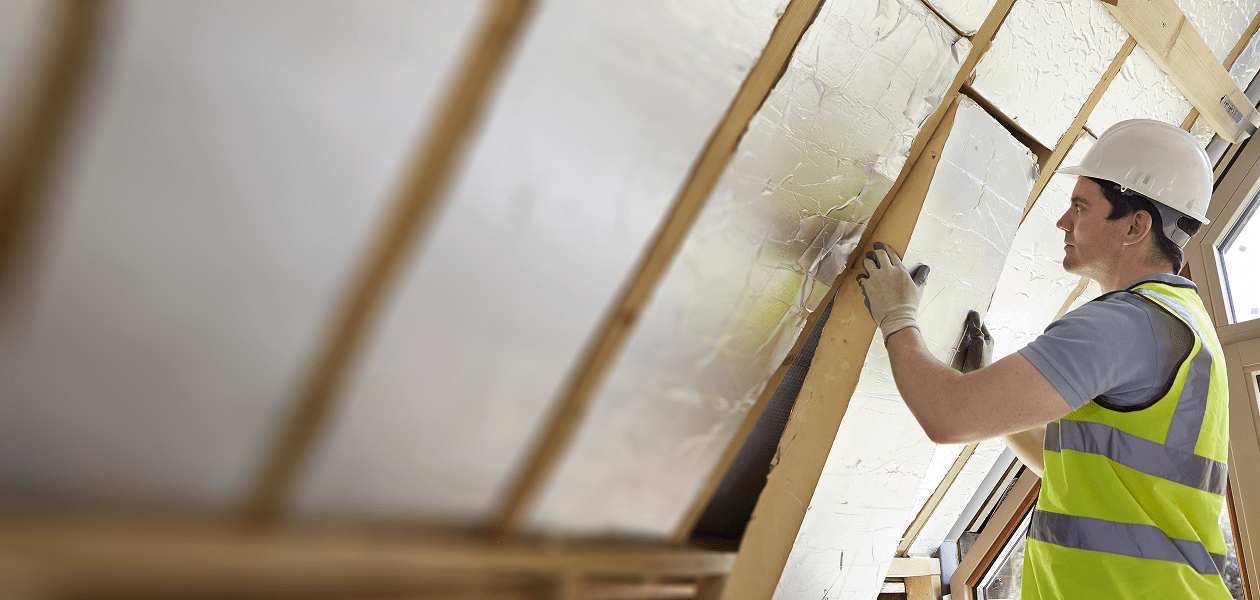
Does Insulation Keep Heat Out?
Yes. Insulation does not heat or cool the air itself; it slows the rate at which heat moves from a warmer space to a cooler one. In winter that means holding onto the warmth you have paid to generate. In summer, when it is hotter outside than in, it works in reverse, limiting how much outdoor heat travels through the roof, walls and floors into the rooms you are trying to keep cool.
The Energy Saving Trust compares a well-insulated home to a flask: it holds the temperature you want for longer, whichever way the difference runs.
Why Your Home Overheats in Summer
On a sunny day the roof takes the full force of the sun for hours. The surfaces directly under the covering get extremely hot: beneath slate or metal they can reach 70°C to 80°C, and the loft air itself can sit well above 40°C. That heat radiates down through the ceiling into the bedrooms below, which is why upstairs rooms are so often the hardest to sleep in.
The roof is not the only route. The same surfaces that lose heat in winter let it back in during a heatwave. The Energy Saving Trust puts the main losses from an uninsulated home at roughly a third through the walls and around a quarter through the roof, with the rest going through floors, windows and draughts. In a hot spell that heat travels the other way, which is why the walls and the roof are the two areas worth tackling first.
Which Insulation Keeps a House Cool?
Different materials handle summer heat in different ways. Here are the main options, with the brands we stock for each.
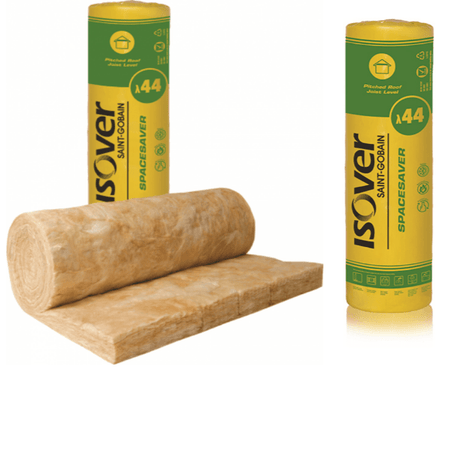
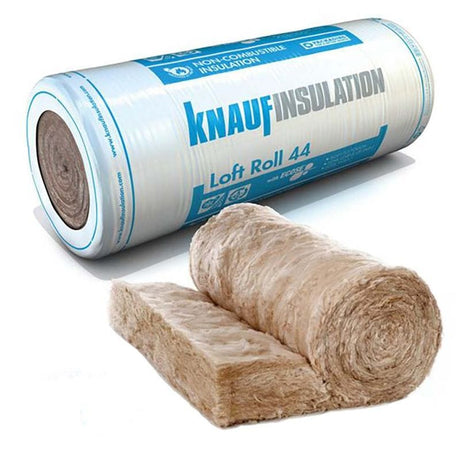
Loft Roll
Mineral & glass woolStops the heat building up in the loft from radiating down into the rooms below, so ceilings stay cooler and bedrooms are more bearable overnight.
Best for: Topping up or insulating the loft floor.
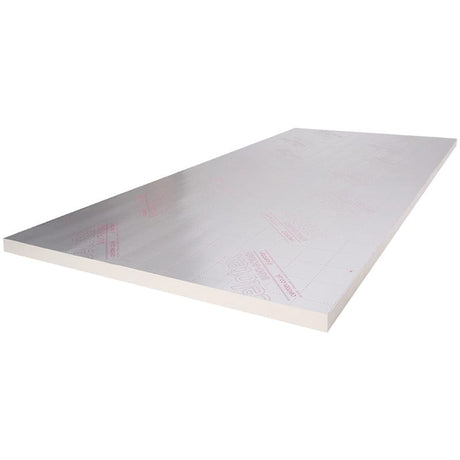
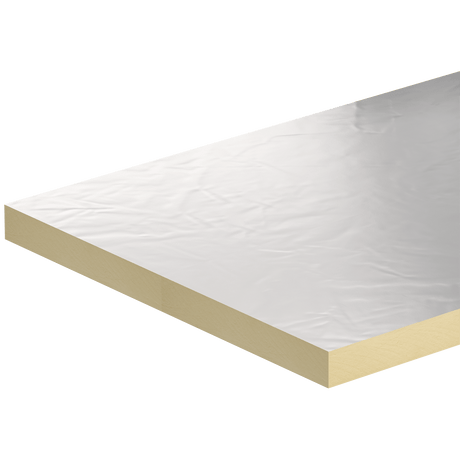
Rigid PIR Board
High-performance boardHigh thermal resistance in a slim board, slowing heat through roofs and walls without giving up much room space.
Best for: Warm roofs, rafters, solid walls and floors.
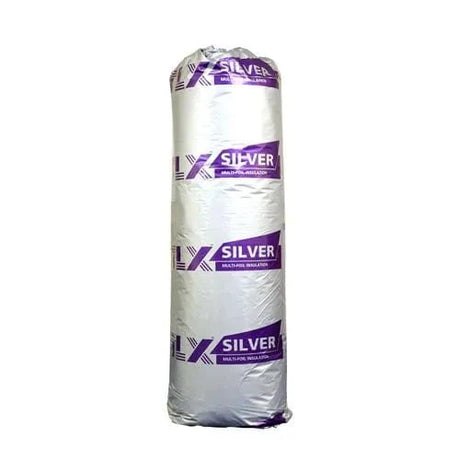
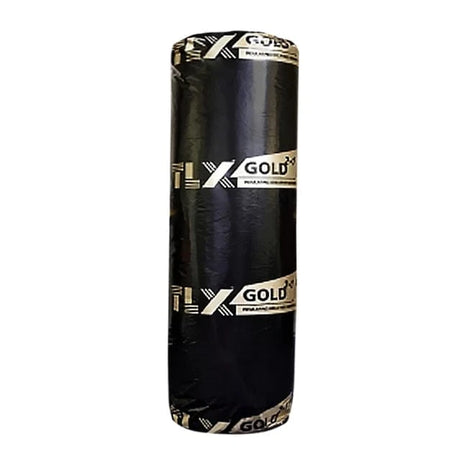
Reflective Multifoil
Reflective foilReflects radiant heat away before it enters, in a roll only a few centimetres thick, so it suits jobs where depth is tight.
Best for: Loft conversions and tight spaces.
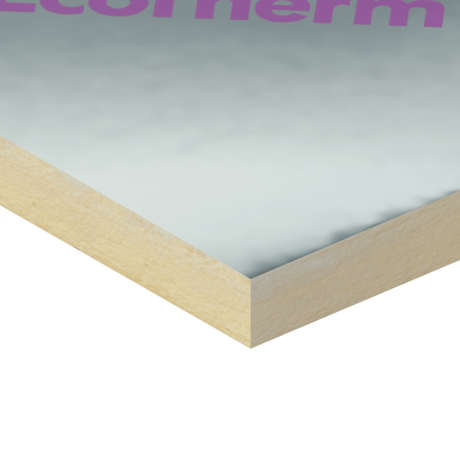
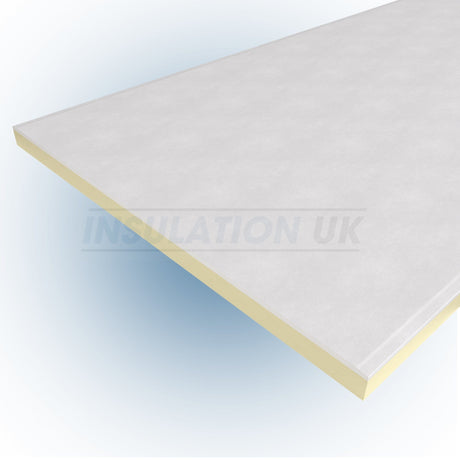
Insulated Plasterboard
Thermal laminateBonds insulation to the back of a plasterboard sheet, upgrading a solid internal wall and leaving a ready-to-finish surface in one fix.
Best for: Internal walls of solid-wall homes.
Loft and Roof Insulation
Because the roof is where most of the heat gets in, loft insulation is usually the first and most cost-effective step. A good layer of loft roll across the loft floor stops the heat building up above it from reaching the rooms below, keeping ceilings cooler and temperatures steadier overnight. Mineral and glass wool rolls from Rockwool, Knauf, Isover and Superglass are the standard choice here. If you use the loft as living space, insulating at rafter level (the underside of the roof) keeps the room itself cooler rather than just the floor beneath it.
Rigid PIR Board
PIR (polyisocyanurate) board delivers a high level of thermal resistance in a relatively slim thickness, which makes it a strong all-rounder for warm roofs, rafters, solid walls and floors. Its edge is thermal conductivity, the lambda value: PIR sits around 0.022 W/mK against roughly 0.034 to 0.044 for mineral wool, so it reaches the same U-value in a noticeably thinner board. Phenolic boards go lower still, around 0.020 W/mK, where space is at an absolute premium. Kingspan, Celotex and Recticel are the established names. The slim profile matters in summer because it lets you slow heat coming through the building fabric without giving up much room space.
Reflective and Multifoil Insulation
Most insulation works by trapping pockets of still air to slow heat passing through it. Reflective foil insulation adds a second mechanism: its aluminium surfaces reflect radiant heat back towards its source rather than letting it through. In summer that means bouncing much of the sun's heat away before it can build up. Multifoil products such as YBS SuperQuilt and TLX combine several reflective layers with insulating wadding, tackling radiant, conductive and convective heat at once in a roll only a few centimetres thick. That makes multifoil a popular choice for loft conversions where headroom is tight. One point to remember: foil needs an air gap next to the reflective face to work, so it should not be laid tight against another surface.
Insulated Plasterboard for Internal Walls
On solid-wall homes, the walls that face the sun heat up and pass that warmth indoors. Insulated plasterboard, sometimes called thermal laminate, bonds a layer of insulation to the back of a plasterboard sheet, so you upgrade the wall and get a ready-to-finish surface in one fix. British Gypsum and the UK-made Tekwarm HP+ range both cover this.
Why Density Matters in Summer: Decrement Delay
Insulation is usually judged on its U-value, which measures how well it slows heat passing straight through. That is the right measure for winter. Summer brings a second property into play: decrement delay.
Decrement delay is the time it takes for heat to travel from the hot outer face of a roof or wall to the inner face. A long delay means the peak heat of a mid-afternoon sun does not reach the rooms inside until the early hours, by which point the outdoor air has cooled and that heat can be ventilated away. Two materials with the same U-value can have very different decrement delays, so identical performance on paper can feel very different in a heatwave.
The deciding factor is density. Lightweight insulation such as PIR and mineral wool quilt slows heat well but stores little of it, so it does little to delay the daily peak. Denser materials store more heat and release it slowly, delaying the daily peak by several hours. Among the materials stocked here, mineral wool slabs hold more mass than lightweight loft roll, and sheep's wool such as Thermafleece CosyWool has a higher heat capacity than rigid foam, so both buffer summer heat better than their U-value alone suggests. This matters most in lightweight builds and loft conversions, where the roof has little mass of its own.
Why Shading Matters as Much as Insulation
A good fabric slows the heat that conducts through the roof and walls, but a large share of summer heat arrives a different way: as direct sunlight through glass. Insulation does nothing to stop that radiant gain, so shading the windows that face the sun matters as much as the insulation behind the walls.
This order of priority is now written into the building regulations. Approved Document O, in force for new homes in England since June 2022, tackles overheating by limiting solar gain through glazing first and providing a way to remove built-up heat second, before any mechanical cooling is considered. The same approach works for an existing home: shade the south and west-facing glass, ventilate at night, and let a well-insulated fabric hold the line through the day.
How to Keep Your House Cool in Hot Weather
Insulation does the heavy lifting, but a few simple habits help it along. The Energy Saving Trust's advice for warm spells includes:
Close curtains and blinds on any window the sun is hitting, then open them again once the sun has moved round.
Keep windows shut while it is hotter outside than in, and open them at night when the air has cooled to let the built-up heat escape.
Use fans to move air rather than expecting them to lower the temperature.
It is far easier to stop heat getting into a home than to remove it once it is in.
Getting the Most From Your Insulation This Summer
A few practical checks make a real difference:
Current building regulations recommend a minimum of 270mm of mineral wool loft insulation. Anything much thinner, or squashed flat, will not perform as it should.
Heat finds the weak spots, so insulation laid unevenly or with gaps will let warm patches through into the rooms below.
Insulation keeps the rooms below cooler but lets the loft itself run hotter, so good airflow up there helps manage moisture.
Reflective insulation only reflects properly with an air space in front of it, so plan the build-up accordingly.
Insulation earns its keep in every season, not just winter. Whether you are topping up the loft before the next hot spell, fitting slim reflective foil in a conversion, lining a solid wall with PIR, or choosing a denser material where summer comfort is the priority, the right product keeps a home cooler in summer and warmer in winter for years.
Find the Right Insulation for Your Home
Browse our full loft, multifoil, PIR and insulated plasterboard ranges, including the UK-made Tekwarm range, or call the team for advice on the right option for your home.