Loft insulation is one of the simplest and most effective ways to reduce heat loss and improve energy efficiency in your home. Because heat rises, a poorly insulated loft allows a large amount of warmth to escape through the roof. Adding or upgrading insulation can noticeably improve comfort and help lower heating bills all year round.
Did You Know:
Around 25% of heat loss in an uninsulated home occurs through the roof.
In the sections below, we’ll explain what to look for and how to work out the right amount for your loft.
Understanding Why Loft Insulation Thickness Matters
The thickness of your loft insulation plays a big part in how well it performs. Many older homes still have thin or uneven insulation that no longer meets current standards, allowing heat to escape easily through the roof. Increasing the depth helps create a stronger thermal barrier and can noticeably reduce heat loss.
With thicker insulation in place, your home is better able to maintain a steady indoor temperature. Warm air stays inside for longer, meaning your heating system does not have to work as hard to keep the house at the right temperature. This is why upgrading loft insulation is often seen as one of the quickest and most effective ways to improve household energy efficiency.
Energy Tip:
If rooms cool down quickly after heating turns off, insufficient loft insulation is often the cause.UK Recommendations for Loft Insulation Depth
In the UK, recommended loft insulation levels are set to help improve energy efficiency in homes. For a typical cold loft, the guidance is around 300 mm of mineral wool insulation laid between and over the joists. This level of insulation helps meet modern expectations for thermal performance and follows current best practice for domestic properties. Take a look at the full government factsheet that outlines the latest loft insulation recommendations for more detail.
Many homes still have less insulation than this, often because it was installed before these guidelines became standard. Reaching the recommended depth usually means topping up existing insulation in layers. Our loft insulation range includes a variety of thicknesses, making it easier to build up the right level while working with the structure and layout of your loft.
Upgrade Tip:
If existing insulation is in good condition, it can usually be topped up rather than replaced up to 300mm.1. Measure the Size of Your Loft Space
Start by measuring the length and width of your loft floor to work out the total area in square metres. This gives you a clear idea of how much space needs insulating and helps you calculate how many rolls or boards you’ll need. Try to measure wall to wall where possible, even if some areas are awkward to reach, so nothing gets missed.
If your loft has an unusual shape, it can help to break it into smaller sections. Measure each section separately and then add the figures together. This approach gives you a more accurate total and reduces the risk of underestimating how much insulation is required.
2. Check the Existing Insulation Depth
Next, check whether there is already insulation in place and measure its depth between the joists. Many homes still have older insulation that falls well below current recommendations, so even if insulation is present, it may not be providing enough protection.
If the existing insulation is in good condition and evenly laid, it can usually be topped up rather than removed. In this case, you only need to calculate how much additional insulation is required to reach the recommended overall depth.
3. Consider Joist Spacing and Insulation Layers
Joist spacing plays an important role in how insulation fits and performs. Most loft insulation rolls are designed to sit neatly between standard joist widths, which helps make installation quicker and more straightforward. Insulation is typically installed in two layers, with the second layer laid across the joists to reduce heat loss through the timber.
By building up insulation in layers, you can increase depth without compressing the material, allowing it to perform as intended. Taking joist spacing and layering into account helps ensure you buy the right amount of insulation and achieve even coverage across the loft.
Cold Loft vs Warm Loft
How much insulation you need can also depend on whether you’re insulating a cold loft or creating a warm loft. A cold loft is the most common setup in UK homes, where insulation is laid on the loft floor between and over the joists. The loft space itself stays unheated, while the rooms below benefit from reduced heat loss. This approach is usually simpler, more cost-effective and suited to lofts that are only used for storage or accessed occasionally.
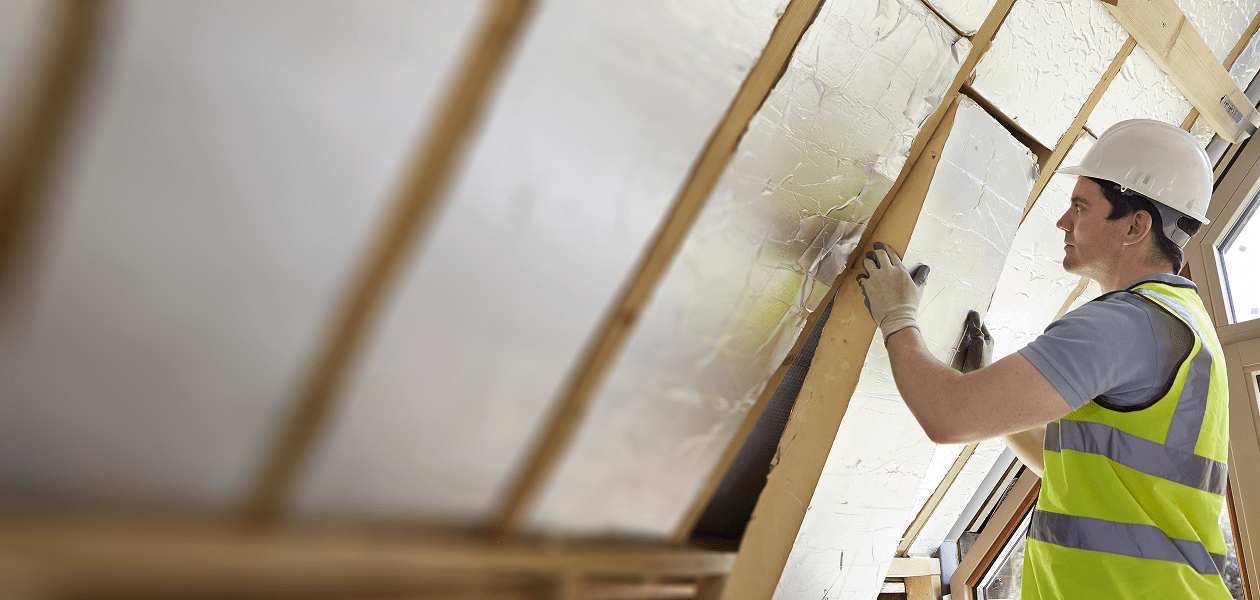
A warm loft is insulated at roof level rather than on the floor, with insulation fitted between and sometimes over the rafters. This keeps the entire loft within the insulated part of the home, making it a popular choice for loft conversions or spaces that are used regularly. Because insulation needs to fit accurately between rafters, materials designed specifically for rafter-level installation are typically used to achieve good thermal performance and a neat finish.
Choosing the Right Type of Loft Insulation
For Standard Cold Lofts
For most homes, a cold loft is the usual setup, with insulation laid across the loft floor. In these cases, loft roll insulation is a popular choice because it fits neatly between joists and can be layered to reach the recommended depth. It’s a straightforward option for both new installations and topping up existing insulation, and it works well without needing major changes to the loft space.
For Rafter-Level and Converted Lofts
If your loft is used regularly or has been converted into a living area, insulating at rafter level is usually the better approach. Between-rafter insulation is designed to sit neatly within the roof structure, making it ideal where space is limited. This method helps keep the loft itself warm and comfortable, rather than just improving heat retention in the rooms below.
Additional Loft Insulation Considerations
Some homeowners also look beyond basic thermal performance. Sustainable insulation options can appeal to those wanting to reduce environmental impact, while acoustic insulation can help cut down noise if the loft is used as a home office or hobby space. It’s also worth paying attention to the loft hatch, as gaps or poor sealing here can let heat escape and reduce the overall benefit of the insulation.
Upgrading Old or Damaged Loft Insulation
If your loft insulation looks thin, patchy or has been in place for years, it may not be performing as well as you think. Over time, insulation can settle or become uneven, allowing heat to escape more easily. Topping up or replacing it is often a simple way to improve comfort and reduce cold spots, especially in older homes.
When upgrading, take care to lay the insulation evenly and avoid squashing it. Building up to the recommended depth helps the insulation do its job properly, keeping warm air inside for longer and delivering more consistent, long-term energy savings.
Additional Factors to Consider
There are a few extra things worth thinking about that can affect how much insulation you need and how well it performs once installed. Considering these early on can help you avoid common issues and make sure your loft insulation delivers the best possible results.
Ventilation: Lofts need good airflow to prevent moisture from building up, which helps reduce the risk of condensation and damp.
Storage: If you plan to board your loft, you may need raised supports so the insulation underneath is not compressed, as this reduces its effectiveness.
Access: Awkward layouts, limited headroom or restricted access can mean more careful measuring, cutting and fitting is required.
Paying attention to these details helps ensure your insulation works as it should and continues to perform well.
In summary, the amount of loft insulation you need will depend on the size of your loft, the existing insulation depth and whether you are creating a cold or warm loft. As a general guide, most homes aim for around 270 mm of insulation to meet current efficiency recommendations. Measuring your space and choosing the right type of insulation helps ensure the best results in warmth, comfort and long-term energy savings.
If you’re planning an insulation project, take a look at our full range of products to find what works best for your home. If you’re unsure where to start or need a bit of guidance, contact us and our team will be happy to help you choose the right materials.