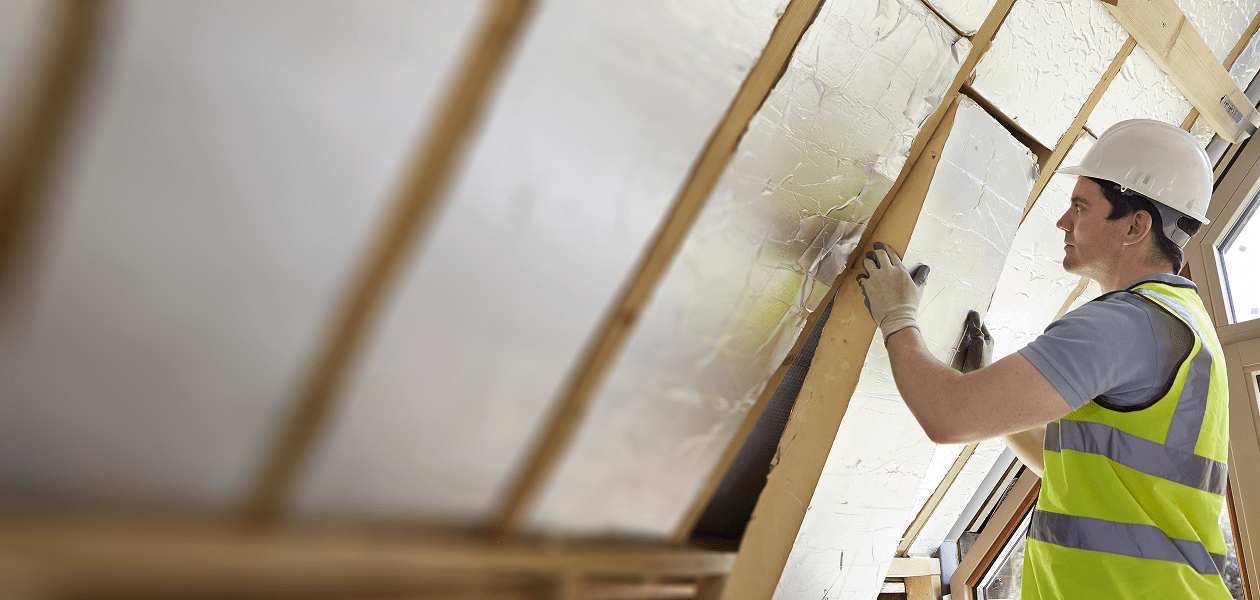
Exploring home insulation can be complex, especially for DIY enthusiasts looking to improve their home's energy efficiency but unsure where to start. Insulation varies greatly and each one comes with its own pros and cons; choosing the right type can significantly enhance your home's comfort throughout the year.
InsulationUK is dedicated to simplifying the selection of the best insulation for your project. With a variety of insulation types available, we aim to explain the benefits and uses of each, helping your home achieve energy efficiency standards, and provide clear guidance for beginners or those wanting to learn more.
Whether you're updating an old house or insulating a new one, this article is your detailed guide to making informed choices that have a real impact.
Tap any title to jump straight to that section.
- The importance of insulation in homes: creating a home that is not only comfortable but economically and environmentally conscious.
- Types of insulation: the various insulation materials available, including boards, slabs, rolls, multifoil, cavity wall, fire-resistant and soundproofing options.
- Energy efficiency: how the right insulation contributes significantly to your home's energy efficiency, leading to cost savings and environmental benefits.
- Choosing insulation: how to select the appropriate type of insulation based on your project's specific needs, including thermal performance, cost and application areas.
- InsulationUK's role: how InsulationUK can assist you in navigating the insulation selection process, providing expert advice tailored to your project.
Why is insulation important?
Insulation plays a crucial role in modern homes, driven by regulations that require energy-efficient designs to meet specific thermal performance standards. The current focus on insulation arises from the growing cost of living, with people striving to make homes more resistant to high energy bills. Installing insulation serves a dual purpose: it not only helps save on expenses but also maintains a comfortable living environment year-round, providing warmth in winter and coolness in summer.
Beyond personal comfort and cost savings, insulation has significant environmental benefits. By decreasing the amount of energy required for heating or cooling our homes, we reduce greenhouse gas emissions. This contributes to the fight against climate change and promotes a sustainable future. Therefore, the importance of insulation extends beyond individual comfort or financial benefits, marking it as an essential element for environmentally responsible and energy-efficient living.
How does insulation work?
Insulation works by slowing down the movement of heat, which can travel in three main ways: through solids (conduction), through liquids and gases (convection), and across space (radiation). Effective insulation materials are good at slowing down all these types of heat movement.
The science behind insulation
To understand insulation, it's helpful to know about thermal resistance, also known as R-value. The R-value measures how well insulation can stop heat flow. The higher the R-value, the better the insulation is at slowing heat transfer. Different insulation materials and thicknesses have different R-values, so you should choose an insulation with the right R-value for your area and where you're planning to use it in your home.
While R-value measures how well insulation can resist the flow of heat (with higher values indicating better insulation), U-value measures the amount of heat that is transferred through a material. It essentially tells you how well a building component, like a wall, window or roof, can conduct heat. Unlike R-values, with U-values lower numbers are better because they mean less heat is being lost; a low U-value indicates good insulation properties.
U-values are particularly important when considering the overall thermal performance of building elements that include a combination of materials, such as windows which consist of glass and frames. By evaluating U-values, you can determine how effective a structure will be at keeping heat inside during the winter and outside during the summer, contributing to a building's energy efficiency and comfort.
When planning insulation, considering both R-values and U-values is beneficial. R-value helps you choose the right insulation material based on its resistance to heat flow, while U-value helps you understand the total heat transfer rate through the entire assembly of building materials, giving a complete picture of a building's thermal efficiency.
The role of air sealing when insulating your home
Another important aspect is air sealing. This goes hand in hand with insulation. Even if you have good insulation, air leaks can let warm air out and cold air in, reducing the insulation's effectiveness. It's like using a thermal mug for your coffee; if the lid isn't on tight, the heat escapes, and your coffee gets cold faster. In houses, air sealing means finding and sealing leaks, often found around windows, doors and other gaps, to make sure the insulation works well.
Effective insulation and air sealing reduce U-values, which in turn enhances the building's ability to maintain comfortable temperatures and reduce energy costs.
What type of insulation do I need?
Choosing the ideal insulation requires a careful balance of several factors. Not only is it about selecting a material that fits within your budget, but it's also about understanding the specific needs of your home and how different types of insulation can meet those needs. Here's a closer look at the key considerations.
Factors to consider
- Climate zone: the UK's weather patterns can vary significantly from one region to another. Homes in cooler, more northern parts of the UK may require insulation with a higher R-value to retain warmth effectively, whereas in milder regions the focus might be more on preventing overheating in summer. Assessing your local climate is the first step in choosing insulation that's up to the task.
- Home design: the age and design of your home affect your choice of the best insulation type. Older homes might have solid walls that require insulating from the inside, whereas newer homes may benefit from cavity wall insulation. The roof, floors and even windows also have specific insulation needs.
- Specific areas needing insulation: different parts of your home will have different insulation requirements. Attics and lofts, for instance, lose a significant amount of heat and may need a different insulation solution compared to walls, ceilings or floors.
- Initial investment versus long-term savings: insulation can offer significant energy savings over time, but the initial cost can be a barrier for some homeowners. It's important to calculate the potential energy savings over time to understand how the insulation will pay off in the long run. Government grants and incentives for energy-efficient renovations can also impact this balance, making higher-cost options more accessible.
- DIY versus professional installation: some insulation types are more suited to DIY projects than others. Assessing your own skills and the complexity of the installation can help determine whether DIY is a viable option or if it's better to hire professionals.
- Professional assessment: even if you're considering DIY, a professional assessment can pinpoint your home's exact needs, possibly saving you time and money by choosing the most effective insulation.
What types of insulation are there?
Insulation is not one-size-fits-all; it comes in various types to suit different needs and areas of the home.
Insulation boards
Insulation boards are critical components in construction, offering efficient solutions for thermal management in buildings. Here, we go through the characteristics and applications of five types of insulation board commonly used: polyisocyanurate (PIR), extruded polystyrene (XPS), expanded polystyrene (EPS), phenolic, and high performance plus (HP+). Each material brings unique benefits to construction projects, from DIY home improvements to professional builds. Understanding these can help you make an informed decision tailored to your project's requirements.
PIR insulation boards
- Thermal performance: PIR boards have exceptional thermal performance with a low thermal conductivity of λ = 0.022 W/mK and high R-values.
- Cost: although more expensive upfront, PIR offers significant long-term energy savings due to its excellent insulation properties.
- Applications: suitable for internal walls, floors, ceilings, lofts and pitched roofs, PIR's high thermal efficiency, moisture resistance and durability make it a versatile choice.
- When to use: ideal for areas requiring high insulation values with limited space. Its moisture resistance makes it suitable for locations prone to dampness.
View our range of PIR insulation boards
XPS insulation boards
- Thermal performance: XPS boards offer R-values around 5 per inch, with excellent moisture resistance, maintaining insulation performance over time.
- Cost: mid-range pricing, with long-term value provided by durability and moisture resistance.
- Applications: frequently used for below-ground applications, roofs and walls, its strength and water resistance are advantageous for demanding conditions.
- When to use: best for high-moisture areas and where durable, moisture-resistant insulation is necessary.
View our range of XPS insulation boards
EPS insulation boards
- Thermal performance: EPS boards provide R-values of approximately 3.6 to 4.2 per inch. While not as high as PIR or XPS, they offer adequate insulation for many uses.
- Cost: the most affordable option, EPS is cost-effective while still providing good insulation performance.
- Applications: EPS's versatility and affordability make it suitable for wall, roof, floor and below-grade insulation, with grades from EPS 70 up to EPS 500 to match the load the board has to carry.
- When to use: a great choice for budget-sensitive projects where high R-value insulation isn't critical. Its lightweight nature makes it easy to handle and install.
View our range of EPS insulation boards
Phenolic insulation boards
- Thermal performance: phenolic boards are known for their exceptional thermal resistance, with R-values higher than many other insulation types.
- Cost: generally higher in cost than other insulation board types, but their superior insulation capabilities can justify the initial investment.
- Applications: ideal for applications requiring thin profiles with high thermal resistance, such as in limited space scenarios.
- When to use: when maximum insulation value per inch is necessary, or in fire-sensitive areas, as phenolic foam offers excellent fire performance.
View our range of phenolic insulation boards
HP+ insulation boards
- Thermal performance: HP+ is a closed-cell EPS board enhanced with a graphite additive, improving thermal performance beyond traditional white EPS. Grey EPS is roughly 20% more efficient than white EPS, which means lower U-values for the same thickness.
- Cost: more expensive than standard EPS but cheaper than PIR, HP+ provides enhanced thermal efficiency which can reach the same performance as PIR if the project can allow for a thicker board, making it a cost-effective solution for energy savings.
- Applications: our stocked HP+ range is floor grade, in EPS 100 and EPS 150, for use below concrete slabs, screeds and suspended floor systems. Graphite EPS is also used in external wall insulation systems.
- When to use: an excellent choice when you want better thermal performance than standard EPS and the floor build-up can take the extra thickness. Its dark grey colour, distinguishing it from white EPS, is due to the graphite additive that disperses and reflects radiant heat.
View our range of grey EPS HP+ boards
Insulation slabs
Rock and mineral wool insulation slabs are a popular choice for both home renovation and new builds, offering a balance of thermal performance, cost-effectiveness and versatility.
- Thermal performance: R-values typically range between 3 and 3.85 depending on the density and thickness of the product, making slabs highly effective at preventing heat transfer. U-values are correspondingly low, though the figure you achieve depends on the thickness used and the rest of the build-up.
- Cost: competitively priced within the insulation market for the thermal performance and durability on offer, with price varying by quality, thickness and supplier. The initial outlay is offset over time by the reduction in heating and cooling costs.
- Applications: roof, wall, floor and loft insulation in both residential and commercial buildings. Beyond thermal performance, slabs offer exceptional fire resistance and sound absorption.
- When to use: new builds and renovations where thermal efficiency is a priority, high noise areas where soundproofing matters, and anywhere additional fire resistance is needed. The majority of insulation slabs are certified A1 non-combustible.
View our range of insulation slabs
Insulation rolls
Mineral wool rolls provide excellent thermal insulation, helping to keep homes warm in the winter and cool in the summer. The material's unique structure allows it to trap air, which reduces heat flow through the insulation.
- Thermal performance: R-values typically range between 2.2 and 4.0 per inch, which allows flexibility in meeting specific insulation requirements and energy efficiency goals, with correspondingly lower U-values across the finished element.
- Cost: generally moderate, making rolls one of the more cost-effective insulation solutions. Prices vary by thickness, density and the features of the specific product.
- Applications: commonly used in loft, attic, wall and floor insulation. Their flexibility and ease of installation suits both new construction and renovation, and high performance rolls also excel at sound absorption.
- When to use: DIY and professional projects alike, energy efficiency upgrades to existing buildings, acoustic work where noise reduction is a priority, and areas with enhanced fire safety requirements.
View our range of insulation rolls
Multifoil insulation
Multifoil insulation presents a high-tech solution for those seeking to enhance the energy efficiency of buildings through innovative insulation methods. It offers a modern, efficient solution for improving the thermal efficiency of buildings with its unique ability to reflect radiant heat.
- Thermal performance: multifoil is designed to reflect radiant heat, so it does not compare directly with traditional materials on R-value alone. Installed properly as part of a complete insulation system it significantly reduces heat transfer and lowers the U-value of the element.
- Cost: higher than traditional materials on base price, but the thin profile and high efficiency make it cost-effective where thickness is constrained, and the energy savings offset the initial investment over time.
- Applications: roofs, walls and floors, particularly where space is limited and bulkier materials are not feasible. Often used alongside other insulation types to lift overall thermal performance.
- When to use: space-constrained renovations and new builds, mixed insulation strategies, and build-ups where thermal bridging needs addressing.
View our range of multifoil insulation
Cavity wall insulation
Choosing the right cavity wall insulation involves considering the specific needs of your project, including thermal performance, cost and application. Full and partial fill cavity boards offer flexible solutions for different energy efficiency goals and budgets. Mineral wool cavity slabs and batts provide a balance of thermal and acoustic insulation with excellent fire resistance, making them a versatile choice for many projects. Additionally, incorporating cavity barriers and closers is essential for safety and energy efficiency, ensuring compliance with building regulations.
Full and partial fill cavity boards
- Thermal performance: full fill boards are designed to occupy the entire cavity, reducing heat transfer effectively and thereby improving the building's U-values. Partial fill boards, leaving an air gap, also enhance thermal performance but are slightly less efficient than full fill options.
- Cost: full fill boards tend to be more expensive due to more material being used, but they offer better energy savings. Partial fill boards are a cost-effective compromise, improving insulation without the higher price tag.
- Applications: choose full fill for maximum thermal efficiency in new constructions or renovations with accessible cavities. Partial fill is suitable for improving insulation in existing buildings where moisture management is a consideration.
- When to use: full fill for new or extensively renovated properties; partial fill for retrofitting insulation in older homes or where budget constraints exist.
Mineral wool cavity slabs and batts
- Thermal performance: mineral wool offers excellent thermal and acoustic insulation, with the added benefit of being fire-resistant. Its fibrous structure is effective in trapping air, making it an efficient insulator.
- Cost: generally affordable, mineral wool provides a cost-effective solution for cavity wall insulation, balancing performance with price.
- Applications: ideal for both new build projects and retrofitting existing properties, mineral wool can be adapted to various cavity widths and specifications.
- When to use: suitable for projects requiring both thermal and acoustic insulation. Its fire resistance makes it a safe choice for all types of homes.
Cavity barriers and closers
- Purpose: cavity barriers and closers are used to seal cavities around openings, such as doors and windows, and in roof spaces, to prevent the spread of fire and improve energy efficiency by reducing thermal bridging.
- Cost: these are essential components for meeting building regulations and ensuring safety and energy efficiency, representing a small but vital part of the overall insulation budget.
- Applications: mandatory in new constructions and significant renovations to meet safety and energy standards.
- When to use: use cavity barriers and closers in all areas required by building regulations, especially around openings and where cavities meet roof spaces.
View our range of cavity wall insulation
Specialist insulation: acoustic, soundproofing and fire-resistant insulation
While the primary focus of insulation is often to enhance thermal efficiency and energy savings, InsulationUK recognises that homes and buildings have diverse needs that may extend beyond just temperature control. Specifically, soundproofing and fire resistance are critical considerations for many projects, whether for enhancing comfort, privacy or safety. To address these specific requirements, InsulationUK offers a specialised range of acoustic and fire-resistant insulation products.
Acoustic and soundproofing insulation
Acoustic insulation is designed to reduce sound transmission between rooms and from external sources, creating quieter, more peaceful living environments. This type of insulation is ideal for homes in noisy areas, between floors in multi-storey buildings, or in walls separating rooms where sound privacy is desired. Using materials with high sound absorption qualities, acoustic insulation can significantly improve the quality of life in residential or commercial spaces.
View our range of acoustic insulation
Fire-resistant insulation
Safety is paramount in any building project, and fire-resistant insulation contributes significantly to a building's overall fire safety strategy. These insulation products are designed to withstand high temperatures and slow the spread of flames, providing crucial extra minutes for evacuation in the event of a fire. Fire-resistant insulation is especially recommended for areas at higher risk of fire or where regulations demand enhanced fire protection measures.
View our range of fire-resistant insulation
InsulationUK understands that every project has unique requirements. If you have specific needs related to soundproofing or fire resistance, our team is on hand to provide expert guidance and can help identify the right solution to meet any specialised criteria.
Whether your project demands enhanced soundproofing for a home cinema or studio, or you're looking to improve the fire safety of your property, we have the expertise and product range to help you make an informed decision. Call the team on 03003 034 578 or get in touch.
Quick look comparison table
| Insulation type | Thermal performance | Cost (relative) | Primary applications | Key benefits | Manufacturer |
|---|---|---|---|---|---|
| Insulation boards (PIR, XPS, EPS, phenolic, HP+) | Ranges from moderate to high depending on type | Varies from moderate (EPS) to high (phenolic, PIR) | Walls, floors, roofs, specialised applications | High thermal efficiency, specific boards for moisture-prone areas, fire-resistant options | Celotex, Jablite, Kingspan, Recticel, Ravatherm, Unilin Xtratherm |
| Rock and mineral wool slabs | Excellent for thermal and acoustic insulation | Moderate | Roofs, walls, floors, lofts | Fire-resistant, sound-absorbing, versatile | Rockwool, Knauf Insulation, Superglass, Isover |
| Mineral wool insulation rolls | Good thermal and acoustic insulation properties | Cost-effective | Lofts, attics, walls, floors | Easy to install, fire-resistant, versatile | Rockwool, Knauf Insulation, Superglass, Isover |
| Multifoil insulation | Reflective properties enhance thermal performance; effective in combination with other insulation | Higher initial cost but effective in thin applications | Roofs, walls, floors | Space-saving, effective as part of a combination insulation strategy | YBS, TLX |
| Cavity wall insulation (full and partial fill boards, mineral wool slabs and batts) | Improves thermal efficiency; specific R-values depend on material type | Varies; full fill generally more expensive than partial | Cavity walls in new and existing buildings | Options for different cavity widths, moisture management with partial fill, fire-resistant | Kingspan, Celotex, Superglass, Recticel, Knauf Insulation |
| Acoustic insulation | Designed for sound absorption rather than thermal performance | Varies based on material and application | Walls, floors and ceilings where noise reduction is needed | Enhances privacy and comfort by reducing noise transmission | Rockwool, Knauf Insulation, Superglass, Tecsound, Pliteq |
| Fire-resistant insulation | Varies; primary focus on fire resistance | Varies based on material and application | Areas requiring enhanced fire safety measures | Slows spread of fire, adds to building safety | Rockwool, Knauf Insulation, Superglass |
Maintenance and upgrading insulation
Inspecting and maintaining your insulation
Regular inspection and maintenance of your home's insulation are key to maintaining its efficiency. Over time, insulation can settle, compact or become damaged, reducing its effectiveness. Here are some guidelines for inspecting your insulation and recognising signs that it may need an upgrade.
- Annual inspections: it's a good idea to inspect your insulation at least once a year, particularly in areas prone to leaks or where insulation is exposed, such as attics and basements.
- Visual inspection: look for areas where insulation appears wet. Insulation that is wet or has been wet is not effective and can also lead to mould problems.
- Energy bills: an increase in your energy bills without a corresponding increase in utility rates can indicate that your insulation is no longer performing effectively.
- Comfort levels: changes in the comfort level of your home, such as rooms that are difficult to heat or cool, can also signal insulation issues.
Upgrading your insulation
If your insulation isn't performing as well as it should be, upgrading it can significantly improve your home's energy efficiency and comfort. Here's some advice on when and how to consider upgrading.
- When to upgrade: if your insulation is damaged, wet or not meeting current building regulations, it's time to consider an upgrade. Additionally, if you're undertaking renovations or notice significant energy bill increases, it may be an opportune time to improve your insulation.
- Professional installation: while some insulation types can be installed as a DIY project, for an upgrade professionals can identify areas of air leakage and recommend additional improvements like air sealing.
- Consider comprehensive solutions: upgrading insulation offers the chance to address multiple issues simultaneously. Consider whether additional ventilation is needed in areas like attics to prevent moisture build-up, or if air sealing could further enhance energy efficiency.
- Long-term investment: upgrading insulation is an investment in your home's future. Not only can it reduce energy bills, but it can also increase your home's value, improve indoor air quality and contribute to a more sustainable environment.
Maintaining and upgrading your insulation are vital steps in ensuring your home remains a comfortable, energy-efficient space for years to come. Regular inspections can help catch potential issues early, while upgrades can adapt your home to current standards and needs, providing significant benefits in terms of efficiency, comfort and overall home health.
InsulationUK is here for all your insulation needs
Starting the process to insulate your home is an important step towards making it more comfortable and energy-efficient, and it also helps the environment. This guide is a basic introduction to the many insulation options you have. It's important to understand the different types of insulation, how they're used and their benefits, no matter the size of your project.
As you get into the details of your insulation project, remember that the team at InsulationUK is ready to help you. We can explain the technical aspects of thermal performance and the different types of insulation available. This guide is your starting point for a warmer and more energy-efficient home. Feel free to contact us for advice that fits your specific needs. Your path to a better-insulated home begins here.
FAQs
What is the most cost-effective insulation material?
Fibreglass insulation is often considered the most cost-effective option due to its lower upfront cost and good thermal resistance. However, the best choice depends on your specific needs, climate, and whether you prioritise short-term savings over long-term efficiency.
How do I know if my current insulation is still effective?
Signs of ineffective insulation include uneven temperatures in rooms, high energy bills, and cold floors or walls. An energy audit or inspection by a professional can provide a detailed assessment of your insulation's performance.
How often should I replace or upgrade my insulation?
Insulation longevity varies by type but generally a check every 5 to 10 years is advisable. If you notice higher energy bills, discomfort in temperature, or have had a pest infestation, it might be time to upgrade or replace your insulation.
Can adding more insulation reduce my heating and cooling costs?
Yes, adding insulation can significantly reduce heating and cooling costs by improving your home's thermal efficiency. The amount you save depends on the type and amount of insulation added, as well as your home's existing condition and your local climate.
Is insulation eco-friendly?
Many insulation materials now focus on being eco-friendly, using recycled materials and reducing energy consumption in homes. Look for products with a low environmental impact, such as sheep's wool or cellulose insulation.
What is the best insulation for reducing noise from outside?
Acoustic insulation, made from dense materials like mineral wool or foam, is best for reducing external noise. It's designed to absorb sound, making it ideal for homes in noisy areas or for rooms that require quiet, such as home offices or bedrooms.
Are there any government grants or incentives for installing insulation in the UK?
In the UK, homeowners may be eligible for grants or incentives under various government schemes designed to improve home energy efficiency. Schemes open and close regularly, so it is worth checking what is currently available before you budget. Local councils often provide additional support, and energy companies may offer grants under the Energy Company Obligation (ECO) scheme.
We recommend visiting the UK Government's official website or contacting your local council for the latest information on available insulation grants and incentives.
How long does it take to install insulation in a typical home?
The installation time can vary widely depending on the insulation type, the area being insulated, and whether it's a new build or retrofit. Simple projects like laying loft insulation rolls can take a weekend, while more complex installations like spray foam or cavity wall insulation may require several days.
Is it necessary to remove old insulation before installing new?
Not always. If the existing insulation is in good condition, not compressed and free of mould or pests, new insulation can often be added on top. However, damaged or contaminated insulation should be removed to avoid compromising the new insulation's effectiveness.
Can I install insulation myself or should I hire a professional?
While some insulation types, like rolls and boards, can be DIY projects with proper safety gear and instructions, for more complex installations like cavity wall or specialist insulation, hiring a professional is recommended to ensure safety and efficiency.
Not sure which insulation your project needs? Browse the full range at Insulation UK, or call the team on 03003 034 578 and we will talk it through with you.
Shop all insulation