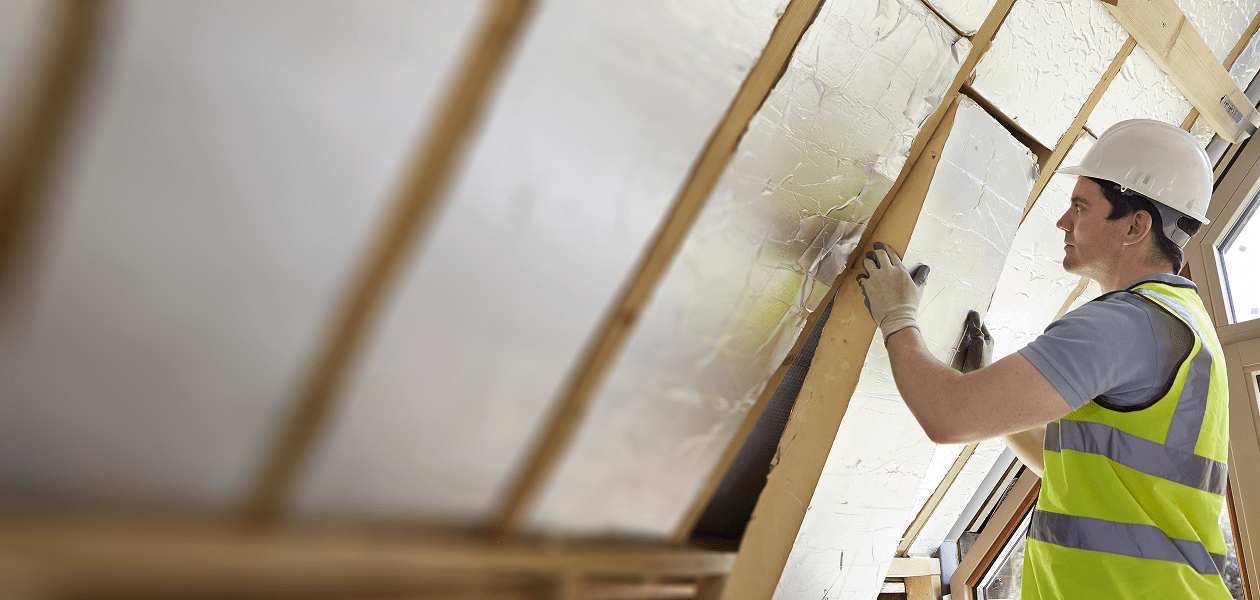
Older homes come with a lot of benefits, like added character, high ceilings and the use of solid materials. However, one thing that can be difficult is ensuring your older home is energy efficient.
In this guide, we will provide you with simple steps to insulate it effectively, which will ultimately reduce your energy bills and ensure your home remains warm in the colder months and cool throughout warmer months.
How Insulation in a Building Saves Energy
If your home was built before modern standards, chances are it is not insulated as well as a newer property. Heat can escape through the roof, ceiling and floors and sometimes through small gaps you may not even notice. The first step is to start with the loft and work down through your home.
Tips:
- Start with draught proofing before expensive upgrades Sealing doors, windows, and floorboards is cheap and can reduce heat loss by up to 20%.
- Loft insulation gives the quickest return Did you know, around a quarter of heat escapes through the roof in older homes.
- Secondary glazing can be just as effective as new windows It’s cheaper, easier to install, and great for period properties.
- Insulating walls doesn’t always mean major building work Internal insulation panels can be fitted room by room.
Loft insulation is one of the simplest and most effective ways to improve energy efficiency in an older home. Because heat naturally rises, a poorly insulated loft allows warmth to escape through the roof - leading to higher bills and colder rooms. At Insulation UK, we offer a range of high-performance products to suit different homes and budgets:
-
Standard loft insulation: Easy to install, affordable insulation that provides great insulation performance.
-
Flexible Insulation for irregular spaces: Adaptable and perfect for lofts with uneven joints or tight corners.
-
Heavy duty insulation: Thick and robust, designed for older homes with higher heat loss while providing extra soundproofing.
Adding modern loft insulation can make your home warmer, reduce wasted energy, and save you money on heating bills.
Consider Wall and Floor Insulation
Solid walls and structures in an older property can lose heat much faster than more modern cavity walls. Internal wall insulation boards can be fitted without disturbing your walls too much, providing a layer of warmth that helps keep rooms cosy. For floors, insulated underlays or boards beneath carpets or wooden flooring can stop heat escaping downwards. These measures work with loft insulation and draught-proofing to create a home that retains heat more effectively and reduces the workload on your heating system.
While insulation is a key step, there are plenty of other ways to make an older home more energy efficient:
-
Upgrade your boiler or radiators – Modern systems heat your home more efficiently and reduce energy waste.
-
Install smart heating controls – Schedule heating to match your lifestyle and avoid unnecessary running.
-
Use energy-efficient appliances – Fridges, freezers, and washing machines with high energy ratings save both energy and money.
-
Make the most of natural heat – Open curtains during sunny days to let warmth in and close them at night to retain heat.
-
Adopt small energy-saving habits – Turning off lights in unused rooms or sealing unused vents can add up over time.
Prevent Draughts in your Home
Draughts are another way older homes lose heat quickly. Cold air can enter through doors, windows, chimneys and even floorboards, making rooms feel colder and forcing your heating system to work harder.
Draught-proofing strips are perfect for doors and windows, easily fitted to block cold air without altering your existing frames. For older wooden floors, our floorboard sealants stop chilly air from creeping up from below, making rooms feel noticeably warmer. And if you have an unused chimney, a chimney draught excluder can prevent cold gusts from entering, all without affecting the character of your fireplace.

By combining loft insulation and draught prevention, you’ll notice a difference almost instantly. Rooms will feel warmer, your home will feel cosier, and your heating doesn’t have to work harder than necessary. They are a cost-effective way to make an older home more comfortable and are a great step toward improved energy efficiency.
Key Takeaways
Older homes may require a little extra attention to keep energy costs low, but with the right insulation and draught prevention techniques, you can make a big difference. With loft insulation, draught-proofing, wall and floor insulation and a few lifestyle changes helps create a warmer, energy-efficient home.
Breaking each step into small projects can transform how your home feels, helping you enjoy all the charm of an older property without the cold.