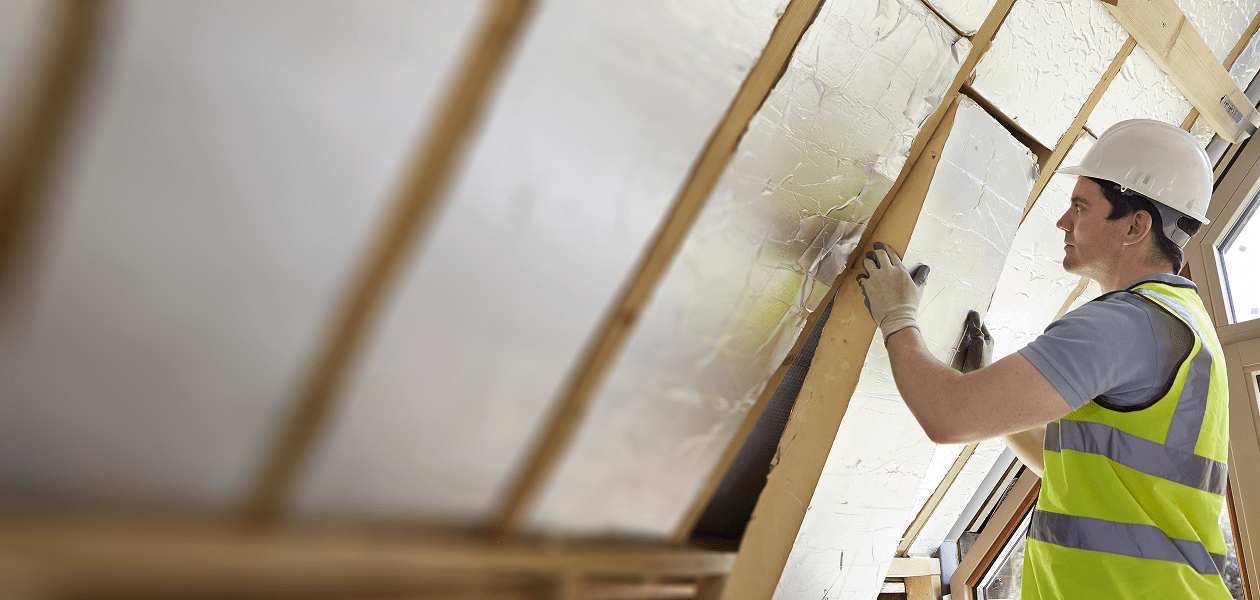
If you're considering insulation, understanding the current VAT rates can help you save money on installation costs. Since April 2022, the UK Government has applied zero-rated VAT to the installation of energy-saving materials, including insulation. Here's everything you need to know about VAT on insulation in 2026.
Current VAT Rates on Insulation (2026)
Installation Labour: 0% VAT (zero-rated until March 2027)
Insulation Materials: 20% VAT (standard rate)
This means when you hire a professional installer, you'll pay the standard 20% VAT on the insulation materials themselves, but there's no VAT charged on the labour costs for installation. For a lot of projects, this provides significant cost savings.
What is Zero-Rated VAT?
Zero-rated VAT means the service is taxable but charged at 0%. This differs from VAT-exempt services. For installers, it means they can still reclaim VAT on their business expenses but charge 0% to customers. The savings should be passed directly to you as the homeowner.
Is There VAT on Loft Insulation?
Yes, there is VAT on the loft insulation materials you purchase (20% standard rate), but if you're having it professionally installed, the installation labour is charged at 0% VAT. This applies to all types of loft insulation including mineral wool rolls, rigid boards and spray foam insulation.
If you're buying insulation materials for DIY installation, you'll pay 20% VAT on the materials only, as there's no installation service being provided.
How Long Will Zero-Rated VAT Last?
The zero-rated VAT on energy-saving materials installation is currently scheduled to run until 31st March 2027. After this date, the rate will increase to a reduced rate of 5% VAT on installation labour.
Timeline:
- 1st April 2022 to 31st March 2027: 0% VAT on installation
- 1st April 2027 onwards: 5% VAT on installation (reduced rate)
What Qualifies for Zero-Rated VAT?
The zero-rated VAT applies to the installation of energy-saving materials (ESM), which includes:
Insulation Products:
- Loft insulation
- Wall insulation (internal, external, cavity)
- Floor insulation
- Roof insulation
- Pipe insulation
- Hot water cylinder insulation
Other Energy-Saving Installations:
- Solar panels
- Air source heat pumps
- Ground source heat pumps
- Wind turbines
- Water turbines
- Micro combined heat and power units
VAT on Insulation Work: What Installers Need to Know
If you're a professional installer, you should:
- Apply 0% VAT to installation labour for qualifying energy-saving materials
- Apply 20% VAT to the materials you supply
- Keep proper records showing the breakdown between materials and labour
- Ensure the property qualifies – the zero rate applies to residential properties and certain charitable buildings
- Use the correct VAT Notice – HMRC VAT Notice 708/6 covers energy-saving materials
The installation must be carried out by an approved installer to qualify for zero-rated VAT.
How to Claim VAT Back on Insulation
For most homeowners, there's nothing to claim back as the zero-rated VAT is automatically applied by your installer. The benefit comes in the form of a lower invoice for installation work.
However, if you're a business or a VAT-registered trader carrying out work on business premises, standard VAT reclaim rules apply.
Does VAT Apply to All Insulation Types?
The zero-rated VAT installation benefit applies to all types of insulation when professionally installed in qualifying properties:
- Mineral wool insulation (glass wool, rock wool)
- PIR and PUR boards (rigid foam insulation)
- EPS and XPS boards (polystyrene insulation)
- Phenolic insulation boards
- Multifoil insulation
- Spray foam insulation
- Natural insulation (sheep's wool, wood fibre, etc.)
The type of insulation doesn't matter as long as it's installed as an energy-saving measure in a qualifying property.
VAT on DIY Insulation Projects
If you're purchasing insulation materials for a DIY project, you'll pay the standard 20% VAT on all materials. The zero-rated VAT benefit only applies to professional installation services, not to materials purchased for self-installation.
This is worth considering when deciding between DIY and professional installation.
What Changes in April 2027?
From 1st April 2027, the VAT rate on energy-saving materials including installation will increase from 0% to the reduced rate of 5%. This is still saving on the standard 20% rate, but projects completed before April 2027 will benefit from the greater saving.
If you're planning a major insulation project, completing it before this date will maximise your VAT savings.
Finding a Qualified Installer
To benefit from zero-rated VAT on installation, ensure your installer:
- Is VAT-registered (if applicable)
- Understands the ESM VAT rules
- Provides a clear invoice showing materials and labour separately
- Applies 0% VAT to installation labour for qualifying work
Always request a detailed quote that shows the breakdown of materials and labour costs, along with the VAT applied to each.
Planning Your Insulation Project
Understanding VAT on insulation helps you budget accurately for your project. Remember:
- Materials are always 20% VAT
- Installation labour is currently 0% VAT (until March 2027)
- The savings can be significant on larger projects
- Completing work before April 2027 maximises savings
For the most current information on VAT rates and energy-saving materials, visit the official UK Government website.