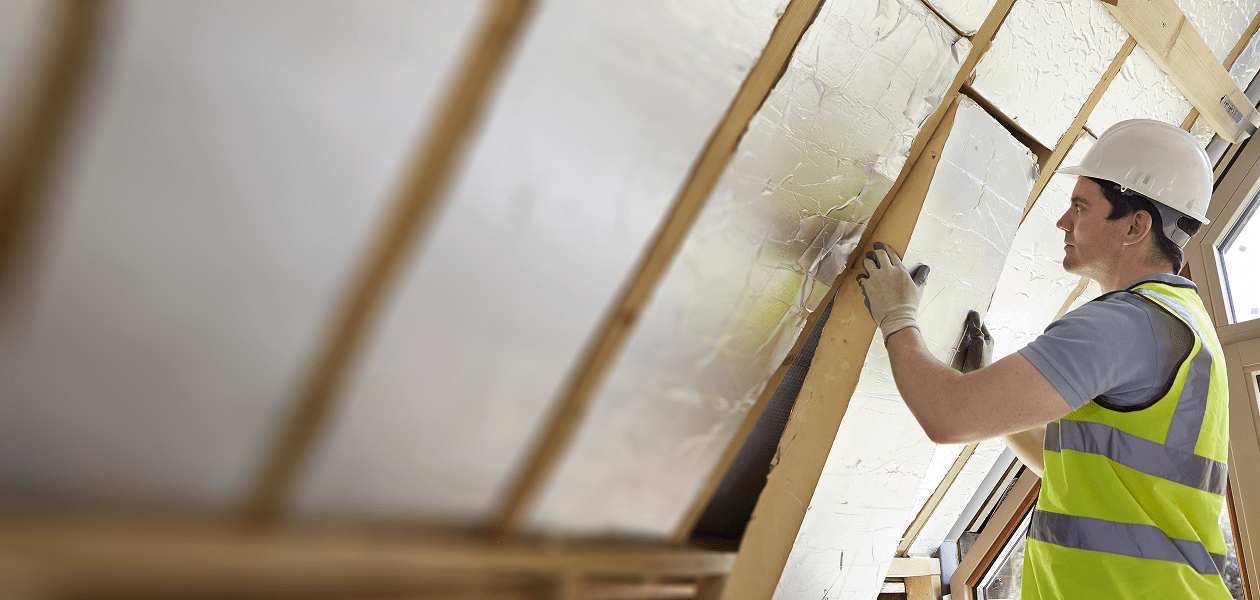
Recticel PIR insulation boards are high-performance rigid foam panels renowned for exceptional thermal efficiency, fire resistance and versatility across residential and commercial construction. Our comprehensive guide explains what Recticel insulation is, how it performs and which product suits your specific application.
Quick Answers: Recticel PIR Insulation FAQs
Is Recticel insulation fireproof?
Recticel PIR insulation boards have excellent fire resistance properties and are classified as Euroclass F according to European fire classification standards. Whilst not completely fireproof, PIR insulation is inherently fire-resistant due to its closed-cell polyisocyanurate foam structure, making it significantly safer than many alternative insulation materials.
What is Recticel?
Recticel is a leading European manufacturer of high-performance PIR (polyisocyanurate) insulation boards for construction applications. The company produces rigid foam insulation panels under product names including Eurothane, Eurowall, Eurofloor and Eurodeck, designed for floors, walls, roofs and specialist applications.
Is Recticel as good as Kingspan?
Recticel and Kingspan both manufacture high-quality PIR insulation with comparable thermal performance (thermal conductivity around 0.022-0.023 W/mK). Both offer excellent insulation efficiency, durability and fire resistance. The choice often comes down to specific product availability, price and application requirements rather than significant performance differences.
What does PIR stand for in insulation?
PIR stands for polyisocyanurate, a type of rigid thermoset plastic foam used as thermal insulation. PIR insulation is created by reacting polyols with diisocyanates in the presence of catalysts, creating a closed-cell foam structure with exceptional thermal performance and fire resistance.
Is PIR insulation flammable?
PIR insulation has low flammability compared to many building materials. Whilst PIR foam will burn if exposed to sufficient heat and flame, it is inherently fire-resistant with self-extinguishing properties. PIR insulation typically achieves Euroclass E or F fire ratings, making it suitable for most construction applications.
What are PIR insulation boards?
PIR insulation boards are rigid foam panels made from polyisocyanurate, a closed-cell plastic foam. The boards typically feature aluminium foil or similar facings on both sides to improve thermal performance and provide a gas-tight barrier. PIR boards offer superior insulation with minimal thickness compared to traditional materials.
What is Recticel PIR Insulation?
Recticel manufactures polyisocyanurate (PIR) insulation boards - rigid foam panels designed to provide exceptional thermal performance for building insulation. The boards consist of a rigid PIR foam core sandwiched between multi-layer, gas-tight facings (typically aluminium foil composite).
How PIR Insulation Works
PIR foam has a closed-cell structure, meaning millions of tiny sealed cells trap gas within the foam. This closed-cell construction prevents air movement and provides excellent thermal resistance. The aluminium facings reflect radiant heat and create a gas barrier that maintains the insulation's performance over time.
Recticel's Manufacturing Excellence
As a leading European insulation manufacturer, Recticel invests heavily in research, development and quality control. Their PIR boards are manufactured to exacting standards, ensuring consistent thermal performance, dimensional stability and long-term durability.
The company's commitment to sustainability includes using low Global Warming Potential (GWP) blowing agents and maintaining Zero Ozone Depletion Potential (ODP) in their manufacturing processes.
Recticel PIR Product Range
Recticel manufactures specialist PIR boards for different applications. Understanding the range helps you select the right product for your project.
Recticel Eurothane GP (General Purpose)
Recticel's most versatile PIR insulation board, suitable for floors, walls, roofs and general applications.
Recticel Eurowall (Wall Insulation)
PIR boards specifically designed for wall insulation applications with optimised facings for wall construction.
Recticel Eurofloor (Floor Insulation)
High-compressive-strength PIR boards designed to support floor loads without compression.
Recticel Eurodeck (Roof Insulation)
PIR boards designed for flat and pitched roof applications with weather-resistant facings.
Recticel Instafit Polyurethane
Flexible polyurethane insulation boards that compress for easy installation between studs and joists.
Benefits of Recticel PIR Insulation
Outstanding Thermal Efficiency
Recticel PIR boards achieve thermal conductivity as low as 0.022 W/mK - among the best available insulation materials.
Space-Saving Performance
PIR's high thermal efficiency per millimetre makes it a good choice when space is limited such as loft insulation or for retrofitting in existing properties.
Fire Resistance
Recticel PIR insulation boards offer fire resistance to Euroclass F fire rating and low flammability.
Moisture and Vapour Resistance
The closed-cell structure of PIR foam provides excellent moisture resistance and minimal water absorption.
Long-Term Durability
Recticel PIR boards maintain their thermal and structural performance over their long lifespan.
Easy Installation
PIR boards are straightforward to install for both professionals and competent DIYers with multiple fixing methods.
Environmentally Friendly
The Eurothane GP PIR Insulation Board is part of Recticel Insulation's commitment to sustainability. The board is designed to reduce energy consumption and CO2 emissions, contributing to a more sustainable future.
Recticel PIR Applications
Recticel PIR boards suit a wide range of construction applications across residential, commercial and industrial projects for floor insulation, suspended floors, underfloor heating, wall insulation for cavity walls, internal or external walls and for insulating roofs and lofts.
Recticel vs Competitors: How Does It Compare?
Recticel vs Kingspan
Both Recticel and Kingspan manufacture premium PIR insulation with very similar performance characteristics:
Thermal performance: Comparable (both typically 0.022-0.023 W/mK)
Fire resistance: Both achieve Euroclass E or F ratings
Quality: Both are premium manufacturers with excellent quality control
Price: Generally competitive - varies by product and supplier
Product range: Both offer specialist products for different applications
Recticel vs Celotex
Celotex (now part of Saint-Gobain) also manufactures PIR insulation:
Thermal performance: Very similar to Recticel
Product range: Both offer comprehensive ranges
Availability: Celotex widely available in UK; Recticel strong in Europe
Price: Competitive - varies by region and supplier
Recticel vs Mineral Wool
Mineral wool (glass wool or rock wool) is a common alternative to PIR:
Thermal performance: PIR significantly better (thinner boards achieve same R-value)
Moisture resistance: PIR far superior - mineral wool loses performance when damp
Fire resistance: Mineral wool excellent (non-combustible); PIR very good (Euroclass E/F)
Space efficiency: PIR requires much less thickness
Cost: Mineral wool typically cheaper; PIR offers better value when space is limited
Can I install Recticel PIR myself?
Yes, installing PIR boards is straightforward for competent DIYers in many applications:
- Loft insulation over joists
- Between floor joists
- Internal wall insulation (with appropriate finishing)
- Shed and garage insulation
Professional installation is recommended for external wall insulation systems, complex roof constructions and applications that need to meet fire safety or building regulations.
What's the lifespan of Recticel insulation?
When correctly installed, Recticel PIR insulation maintains performance for 40+ years. The closed-cell structure, stable foam chemistry and gas-tight facings ensure long-term thermal performance without degradation.
Can Recticel PIR be used with underfloor heating?
Yes, Recticel Eurofloor PIR boards are ideal for underfloor heating applications:
- Install below heating pipes or cables
- Directs heat upward into living space
- Prevents heat loss to ground or lower floors
- Improves heating system efficiency and reduces running costs
Remember to consult with a building professional to ensure the right insulation material and proper installation methods for your specific needs.