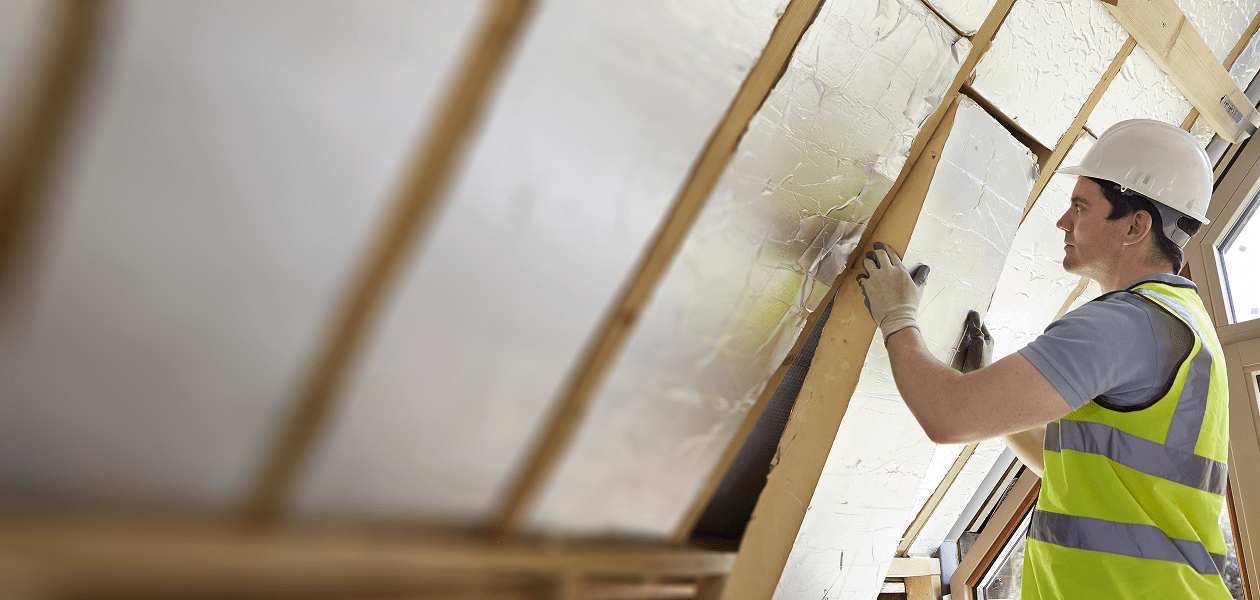
Improving energy efficiency in your home is one of the quickest wins for cutting heating bills and keeping your home comfortable year-round. With rising energy costs, investing in insulation makes sense, not only for the environment but for your wallet too. Good insulation keeps the heat where you want it, so your home is warm in winter and cool in summer. That means your boiler doesn’t need to run as often, leading to lower energy bills.
Why energy-efficient home insulation matters
Many homes lose significant heat through poorly insulated walls, roofs and floors. This heat loss adds up fast when it comes to energy consumption and raises monthly heating bills. Good insulation acts as a barrier, keeping warm air in during colder months and preventing heat from entering in summer. The result is a more stable indoor temperature, lower energy bills and a reduced carbon footprint. Lower bills, a more comfortable home and less impact on the environment is what most homeowners are after.
Types of home insulation to boost energy efficiency
There are several ways to improve your home's energy efficiency with different types of insulation:
-
Loft and roof insulation: Installing loft insulation such as mineral wool, PIR boards, or reflective foil is one of the most effective ways to prevent heat from escaping.
-
Wall insulation: For cavity walls (standard in new build homes), cavity-fill insulation can dramatically improve thermal efficiency. For solid walls (typical in older homes), internal or external wall insulation boards offer similar benefits. Cavity walls are now standard in new builds or property renovations, but most period properties have solid walls requiring different approaches.
-
Floor insulation: Insulating under floorboards or using floor insulation boards keeps your home warmer and reduces heat loss through the ground.
-
Sustainable insulation: For eco-conscious homeowners, Insulation UK offers sustainable insulation options like recycled polyester and natural wool products.
-
Pipe and duct insulation: Even insulating your heating pipes and ducts can prevent heat loss and improve overall system efficiency.
Building regulations and home insulation
It's worth understanding which building regulations apply when installing insulation. Part L of the Building Regulations applies to new builds and most renovation work in England and Wales, setting minimum thermal performance standards that your insulation must meet.
Part L states that insulation is continuous throughout your home with no gaps or thermal bridges. Thermal bridging is when heat escapes through the parts of a building that conduct heat more easily than the insulation such as sills and lintels. Corners, junctions and openings are most at risk of this so all need correct coverage. These weak spots let heat escape and can lead to condensation issues if left unaddressed.
Additional home insulation tips
To get the most from your insulation:
-
Seal gaps around windows and doors with weatherstripping or draught excluders to prevent cold air sneaking in.
-
Consider double or triple glazing to further reduce heat loss, particularly in older properties with single-pane windows.
-
Maintain correct ventilation to control moisture without wasting energy.
Investing in energy-efficient home insulation is one of the most cost-effective improvements you can make. From walls and roofs to floors and pipes, every upgrade contributes to a warmer, more efficient home. With the right insulation products, you can save money and make your property more sustainable.